10 Questions To Ask Yourself Before Buying A Boat
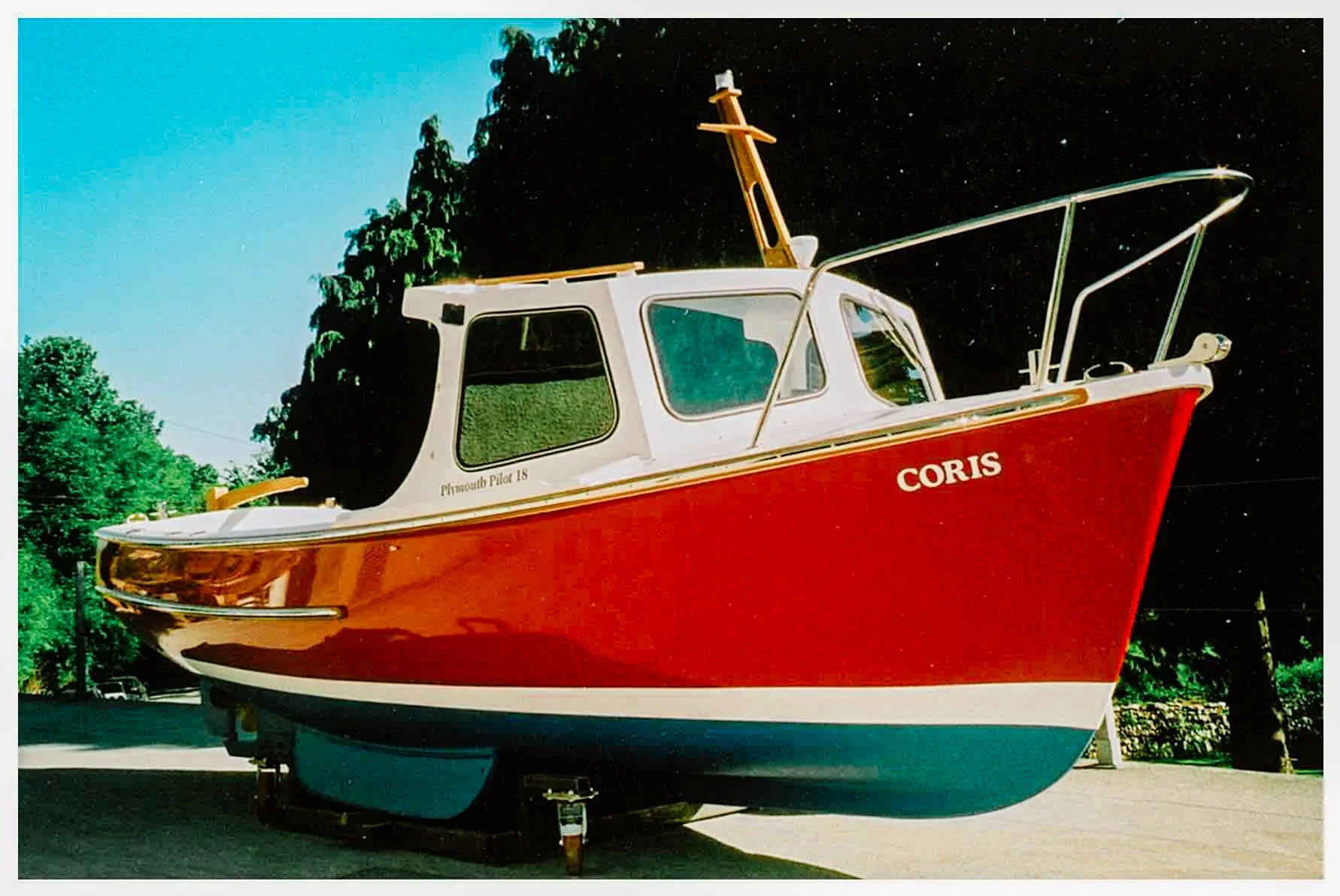
So, you’re thinking about buying a boat? That’s fantastic! Before you dive headfirst into the world of boating, it’s crucial to ask yourself a few key questions. Whether you’re dreaming of lazy days on the lake or epic ocean adventures, these ten questions will help you navigate the decision-making process and ensure you find the perfect vessel for your needs. Let’s set sail on this journey together and make sure you’re ready to drop anchor on the right boat!
1. What is my primary purpose for the boat?
Understanding how you plan to use your boat will help determine the type and size of boat you need. Consider if you'll be using it for:
Fishing: Requires specific features like rod holders, live wells and electronics such as fish finders.
Water sports: Needs powerful engines, wakeboard towers and ample space for gear.
Cruising: Focus on comfort, cabin space, and amenities for extended trips.
Entertaining: Requires seating capacity, a sound system, and possibly a galley.
Day trips: Upriver or beach may require a boat with a shallow draft or a shape that can take to the ground without damaging the propeller.
2. Where will I be using the boat?
The type of water you'll navigate affects the boat choice:
Lakes and rivers: Smaller, lighter boats are often sufficient. Speed restrictions and fuel type may be in force on some inland water ways.
Coastal waters: Need more robust, larger boats that can handle waves and currents.
Offshore/ocean: Requires sturdy, seaworthy vessels with strong navigation and safety features.
3. What is my budget?
Determine your total budget, considering not just the purchase price but also:
Insurance: Essential for protecting your investment.
Maintenance: Regular upkeep costs, including engine servicing, hull cleaning and repairs.
Storage: Marina fees or costs for a trailer and storage space.
4. Do I have the necessary skills and knowledge?
Evaluate your boating experience and skills:
Licensing: Check if you need a boating license or any certifications.
Training: Consider taking a boat safety course or hiring an instructor for hands-on training.
Navigation: Familiarise yourself with navigation rules, charts and GPS systems.
5. What size boat is appropriate for my needs?
Size impacts manoeuvrability, storage, and capacity:
Small boats (up to 20 feet): Easier to handle, store and maintain.
Medium boats (21-30 feet): Offer more features and space, suitable for larger waters.
Large boats (31 feet and above): Provide extensive amenities but require more skill to operate and more space to store.
6. What type of propulsion system is best?
Different propulsion systems have varying performance and maintenance needs:
Outboard engines: Easier to maintain and replace, good for smaller boats.
Inboard engines: Offer more power, suitable for larger boats and water sports.
Stern drives: Combine features of inboard and outboard engines, offering versatility.
Jet drives: Ideal for shallow waters and high-speed performance.
7. What features and amenities are important to me?
Consider what you need for comfort and convenience:
Cabins and sleeping quarters: Essential for overnight trips.
Galley/kitchen: Necessary for preparing meals on longer outings.
Bathrooms/heads: Important for comfort on extended trips.
Technology: Navigation systems, fish finders and entertainment systems.
8. How will I transport and store the boat?
Plan for logistics and storage:
Trailer: Does the boat come with a trailer? Ensure you have a vehicle capable of towing the boat or the budget for a 3rd party to do this for you.
Marina: Check for availability and costs of marina berths or slipway access.
Dry storage: Consider options for off-season storage and their associated costs.
9. What safety features and equipment do I need?
Safety is paramount in boating:
Life jackets: Ensure enough for all passengers.
Fire extinguishers: Required by law and essential for safety.
First aid kit: Must be well-stocked and easily accessible.
Communication devices: VHF radio, flares and other signalling devices.
10. What is the boat’s resale value and longevity?
Consider the future value and durability:
Brand and model reputation: Some brands hold value better than others.
Construction quality: Materials and build quality affect longevity.
Market demand: Popular models may be easier to resell.
Depreciation: Understand how the boat's value will change over time.
By carefully considering these questions, you can make a more informed decision, ensuring that the boat you purchase meets your needs and expectations while fitting within your budget and skill level.