Navigating the Waters of Boat Ownership: A Guide for First-Time Buyers
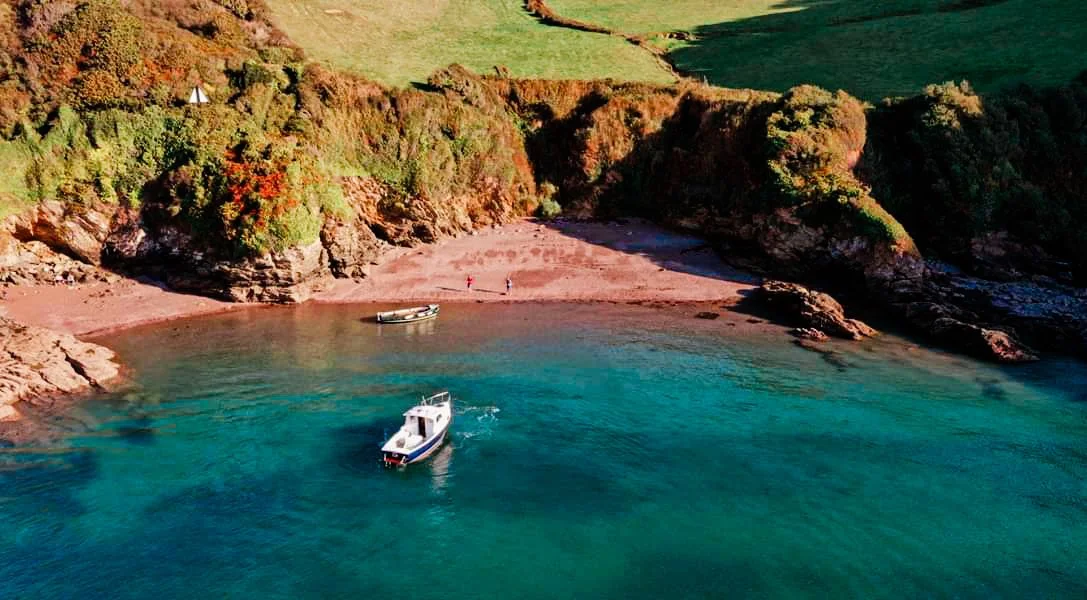
Whether you're drawn to the serene beauty of open waters, the thrill of fishing, the excitement of water sports or simply the joy of spending quality time with family and friends, boating offers an unparalleled escape from the everyday grind. As a novice, the prospect of buying your first boat can be both thrilling and daunting. The vast array of options, technical jargon and financial considerations might seem overwhelming. But don't worry, we're here to help you navigate these unfamiliar waters smoothly.
The Joy of Boating
Boating is more than just a hobby; it's a lifestyle that brings endless joy and fulfilment. Imagine the gentle lapping of waves against the hull, the refreshing breeze on your face, and the breathtaking sunsets over the horizon. Boating offers a unique sense of freedom and adventure, allowing you to explore new places, connect with nature, and create unforgettable memories. Whether you're casting a line in a quiet cove, cruising along a scenic coastline, or engaging in heart-pounding water sports, the joy of boating is a rewarding experience that enriches your life in countless ways.
The Purpose of This Guide
This guide is crafted specifically for you, the first-time boat buyer. We understand that stepping into the boating world for the first time can be intimidating. That's why our aim is to provide you with comprehensive, easy-to-understand information that will empower you to make informed decisions with confidence. Our customer-centric approach focuses on your needs, preferences, and budget, ensuring that you find the perfect boat to match your lifestyle and goals.
We will walk you through every step of the boat-buying process, from understanding the different types of boats and their uses to evaluating your budget and financing options. You'll learn about essential features and amenities, safety considerations, and maintenance tips to keep your boat in top condition. We'll also provide insights into legal and regulatory requirements, helping you navigate the necessary paperwork and certifications.
By the end of this guide, you'll have a clear understanding of what to look for, what questions to ask, and how to avoid common pitfalls. Our goal is to make your boat-buying journey as smooth and enjoyable as possible, so you can focus on the exciting adventures that await you on the water.
Understand your needs
Identifying your primary use for the boat
Before diving into boat shopping, it’s important to pinpoint exactly what you plan to use your boat for. Will it be primarily for weekend fishing trips, leisurely family outings, water sports, or longer excursions? Boats vary greatly in terms of design, speed and functionality depending on their intended use. For example:
Fishing boats are typically rugged with dedicated storage for rods and tackle, live bait tanks and often come with fish finders.
Cruisers or yachts are designed for long stays on the water, equipped with cabins, galleys and bathrooms (heads) for comfort over extended trips.
Watersports boats will have powerful engines, towing capabilities and space for gear like wakeboards or water skis.
Choosing a boat that fits your primary activity will ensure you enjoy your time on the water without frustration.
Types of boating activities
Common boating activities include:
Fishing: Requires a boat with stable handling and ample deck space for gear.
Cruising: You’ll need a comfortable cabin for overnight stays, good fuel efficiency and features like autopilot or advanced navigation.
Watersports: Boats with high-speed capabilities and towing accessories are ideal.
Family recreation: Pontoons or deck boats with comfortable seating and safety features are best for family fun and entertainment.
Sailing: Sailing boats offer the pleasure of harnessing the wind but come with a steeper learning curve in terms of skills and navigation.
Evaluating your experience and skills
It’s crucial to be realistic about your level of experience. If you're a novice, starting with a smaller, simpler boat may be the best option. Some boats, especially larger yachts and high-speed boats, require a more advanced understanding of handling, navigation, and maintenance. If your boating skills are still in development, choose a boat with intuitive controls and easy manoeuvrability.
Types of Boats
Understanding the different types of boats will help you make an informed decision.
Fishing boats
Best for: Anglers, inland and offshore fishing.
Key features: Open decks, fishing rod holders, storage compartments for gear and fish finders. Some models are specialised for freshwater or saltwater.
Price range: Varies depending on size and outfitting; smaller aluminium boats can be affordable, while larger offshore vessels can be costly.
Commercial or leisure: Commercial fishing boats must adhere to different construction standards compared to leisure vessels. Additionally, they require specific licensing.
Pontoon boats
Best for: Family outings, leisure cruising.
Key features: Flat, stable platforms, abundant seating, ideal for parties, barbecues or relaxing cruises.
Price range: Mid-range, with more expensive models including luxury features like sun decks and bars.
Sailboats
Best for: Sailing enthusiasts, cruising.
Key features: Wind-powered with minimal need for fuel. Ideal for those who enjoy the challenge of navigating by sail.
Price range: Sailboats vary from small dinghies to large, liveaboard sailboats that cost considerably more.
Speedboats
Best for: Water sports, high-speed recreation.
Key features: Powerful engines, designed for towing wakeboarders, water skiers, or enjoying fast, thrilling rides.
Price range: Higher due to their powerful engines and sleek designs.
Yachts and cruisers
Best for: Long-term cruising, luxury, and entertainment.
Key features: Spacious cabins, galleys, bathrooms, and luxury amenities. Typically used for extended trips.
Price range: High-end, requiring significant investment not only for the boat but also for maintenance and docking fees.
Personal watercraft (PWC)
Best for: Short, fast rides; water-based fun.
Key features: Compact, nimble, and highly manoeuvrable. Great for thrill-seekers but with limited passenger capacity.
Price range: Generally affordable but limited in terms of versatility.
You can also read our guide to hull forms here-
Budgeting for Your Boat
Initial purchase price
Boats range in price depending on the type, size, and features. Establishing your budget at the outset will help you avoid stretching your finances too thin. Consider not only the price of the boat but also any accessories you’ll need (e.g., GPS, safety gear).
Financing options
Many boat buyers finance their purchase through loans. Shop around for financing options, including those from banks, marine loan providers and even boat dealers who may offer promotional rates. Be sure to understand the interest rates, terms and conditions.
Ongoing costs (insurance, maintenance, storage, fuel)
Owning a boat involves continuous expenses. Key ongoing costs include:
Insurance: You’ll need comprehensive coverage that includes accidents, weather damage and theft.
Maintenance: Regular engine servicing, hull cleaning, and replacing worn parts can add up. Budget around 10% of the boat’s purchase price annually for upkeep.
Storage: Depending on where you keep your boat, mooring fees can vary significantly. Dry storage in the off-season also adds to costs.
Fuel: Larger, more powerful boats will consume more fuel, especially if you’re covering long distances.
Hidden costs to consider
Winterising: In cold climates, you’ll need to protect your boat during the off-season.
Upgrades: Technology or safety upgrades (like radar or autopilot) can improve the experience but come with added costs.
Mooring and docking fees: Consider the cost of renting a mooring or dock space at a marina.
choosing the Right Boat Size
Small boats: Advantages and limitations
Advantages: Easier to manoeuvre, maintain and store. Ideal for beginners and those on a budget.
Limitations: Limited space, fewer amenities and less suited to long trips or choppy waters.
Medium boats: Balance of size and features
Advantages: Offers a good compromise between space, amenities, and ease of handling. Can accommodate more passengers and gear and are versatile for different activities.
Limitations: May still be limited in terms of living space and comfort for extended trips.
Large boats: Amenities and requirements
Advantages: Spacious, luxurious, and capable of long-distance cruising with plenty of amenities, including kitchens, bathrooms and bedrooms.
Limitations: Require more maintenance, higher operating costs, and more skill to handle. They also require adequate storage and docking facilities, which can be expensive.
Propulsion Systems
Outboard engines
Advantages: Versatile, removable, and easier to repair. Ideal for smaller boats and allows for more interior space.
Disadvantages: Can be noisy and may limit performance in larger boats.
Inboard engines
Advantages: More powerful and typically quieter. Ideal for larger boats and watersports.
Disadvantages: More difficult and costly to maintain, with complex repairs required.
Stern drives
Advantages: Combines inboard power with outboard manoeuvrability. Great for watersports and family boats.
Disadvantages: More maintenance-intensive than outboards.
Jet drives
Advantages: Provides excellent manoeuvrability in shallow waters and at high speeds. Ideal for PWCs and some speedboats.
Disadvantages: Typically uses more fuel and is limited in its use for larger vessels.
Electric and hybrid options
Advantages: Environmentally friendly and very quiet. Reduces long-term fuel costs.
Disadvantages: Higher upfront cost and limited range compared to traditional engines.
Features and Amenities
Essential features for different activities
Once you have decided on what type of boat is likely to suit your needs and you have selected your preferred mode of propulsion you can start looking to see if it has the fixtures and fittings required for you chosen activities.
Fishing: Look for rod holders, live wells and deck space.
Watersports: Ensure you have a tow post/bar and powerful engine.
Cruising: Cabins, kitchens and bathrooms (heads) will be essential for overnight trips.
Family boating: Comfortable seating, shade options and childproof safety features will be important.
Comfort and convenience features
Consider features like air conditioning, onboard entertainment systems and shaded areas for sun protection. Additional features, such as a wet bar or BBQ area, can make family outings more enjoyable.
Technology and navigation aids
GPS and chart plotters are essential for navigation, especially if you plan to boat in unfamiliar waters. Autopilot, radar and fish finders are also useful depending on your activities.
Safety equipment
Ensure you have all necessary safety gear, including life jackets, fire extinguishers, first-aid kits and flares. Compliance with local regulations is mandatory, so check what’s required before setting out.
New vs. Used Boats
Advantages of buying new
Warranty: Comes with a manufacturer’s warranty that offers peace of mind.
Latest technology: New boats often feature the latest technology and designs.
Condition: No prior wear and tear, meaning fewer initial maintenance costs.
Advantages of buying used
Cost savings: Used boats are significantly cheaper.
Depreciation: New boats depreciate quickly, so a used boat holds its value better.
Wider selection: You may find discontinued models or older designs that suit your preferences.
What to look for when buying used
Condition: Inspect the hull for damage, check the engine's condition, and look for signs of wear and tear inside and out.
Service Records: Ask for the boat’s maintenance history to ensure it has been well-cared for.
Survey: It’s always recommended to get a marine surveyor to assess a used boat before purchase to identify any underlying issues.
Legal Considerations
Licensing requirements
In the UK, you may need a boating licence depending on the type of boat and where you intend to use it. On the whole, for using a leisure boat at sea no licence is required. For inland waterways, the Canal & River Trust requires a licence and the boat needs to conform to the Boat Safety Scheme (BSS), while larger, sea-going vessels may require certification through the Maritime and Coastguard Agency (MCA)
Boat registration
In the UK, it is not a legal requirement to register all leisure boats, but it depends on several factors, including the type of boat, its use, and where you intend to sail it.
If your boat is used for leisure and you plan to travel internationally, it must be registered with the UK Ship Register managed by the Maritime and Coastguard Agency (MCA). The MCA offers two types of registration:
Part I registration: This is typically for larger vessels, allowing proof of ownership and enabling you to use the boat as security for a loan (mortgage). It also permits travel internationally under the UK flag.
Part III small ships register (SSR): This is a simpler and more affordable option for UK residents with boats under 24 metres in length, mainly used for leisure. It's commonly chosen by boat owners who sail around UK waters or occasionally venture to EU waters.
It is also worth noting that in some coastal or estuarine areas, local harbour authorities may have their own registration requirements for mooring or using their facilities. This can vary between locations.
Insurance
Boat insurance is crucial for covering damages, liability, and theft. Consider policies that cover both inland and coastal waters, depending on where you’ll operate.
Safety Considerations
Safety equipment checklist
Make sure your boat is equipped with:
Life jackets: One for each passenger, properly sized.
Fire extinguishers: Marine-rated, regularly inspected.
Flares and signalling devices: Up-to-date and in good working order.
First-aid kits: Fully stocked and accessible.
VHF radio: Essential for communication in emergencies.
Boating education and courses
Even if not legally required, taking a boat safety course through the Royal Yachting Association (RYA) is highly recommended. Learning about navigation, weather, handling and safety will make you a more confident and responsible boat owner.
Local laws and regulations
Check local laws regarding speed limits, restricted areas and environmental regulations. Knowing these laws will help avoid fines and accidents.
FAQs
How do I choose the right size of boat?
Consider your intended use, the number of passengers, and your experience level. Smaller boats are easier for beginners, while larger boats offer more amenities but are costlier and more complex to operate.
What is the difference between a marine survey and an inspection?
A marine survey is a professional, in-depth assessment of a boat’s condition, often required for insurance purposes. An inspection, while useful, is less detailed and usually conducted by the buyer or seller.
Do I need a licence to drive a boat in the UK?
For most inland waterways, a licence is required. The RYA also offers certifications for operating larger vessels or for boating in coastal and international waters.
What is the best boat for a first-time buyer?
A smaller, easy-to-manoeuvre boat with low maintenance requirements, such as a pontoon or runabout, is ideal for beginners. The best boat depends on your intended use, budget, and skill level.
How do I finance a boat?
You can finance a boat through banks, marine lenders, or even some dealers. Compare interest rates, loan terms, and additional fees before committing.
Conclusion
Buying your first boat is an exciting adventure, but it’s important to take the time to make an informed decision. By understanding your needs, exploring the different types of boats, setting a realistic budget, and familiarising yourself with legal and safety considerations, you’ll be well-prepared to enjoy years of fun and relaxation on the water.